Table of Contents
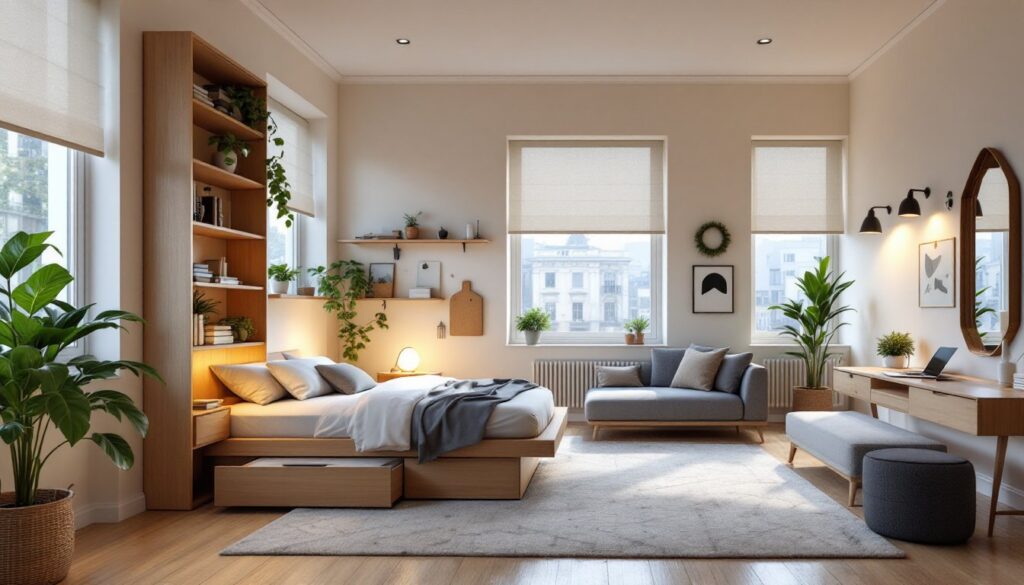
ToggleLiving in a studio apartment doesn’t mean sacrificing comfort or style. A studio bedroom, where your sleeping, working, and living all happen in the same space, demands smarter design choices than a traditional bedroom. The good news? With thoughtful planning and the right studio bedroom ideas, you can transform even 300 square feet into a functional, attractive sanctuary. This guide walks through seven proven design solutions that work, from storage hacks to multifunctional furniture strategies. Whether you’re renting or own, these practical approaches help you reclaim floor space, improve flow, and actually enjoy your studio.
Key Takeaways
- Studio bedroom ideas centered on vertical storage—such as floor-to-ceiling shelving and wall-mounted solutions—maximize limited floor space without sacrificing functionality or style.
- Multifunctional bed frames with built-in drawers or loft designs can eliminate the need for separate furniture pieces and double your usable square footage.
- Light colors, layered lighting, and strategic mirror placement make a studio feel larger and more open while improving mood and productivity.
- Define distinct zones using area rugs, furniture placement, and accent walls to psychologically separate sleeping, working, and living areas in one room.
- Dual-purpose furniture like storage ottomans, murphy desks, and sleeper sofas ensure every piece earns its place in a compact studio bedroom.
- Thoughtful design choices that reclaim floor space and improve visual flow transform even 300 square feet into a comfortable, functional sanctuary.
Maximize Vertical Space With Smart Storage Solutions
In a studio, your walls are your best friend. Going vertical is non-negotiable when square footage is tight.
Floor-to-ceiling shelving pulls double duty: it stores books, plants, decor, and clothes without eating into your walkable floor. Install adjustable shelving units (available in 24″ to 36″ widths from home centers) along one wall, staggering shelf heights to accommodate items of different sizes. Wall-mounted cabinets work equally well for hiding clutter, open shelving looks airy, but closed storage keeps visual chaos at bay.
Pegboards and wall-mounted rails let you hang everything from belts to headphones, freeing up drawer and closet space. Install a pegboard backing system using standard 1/4″ plywood and 1/4″ dowels: it’s simple to customize and rearrange as needs change.
Don’t overlook the space above doorways or windows. Narrow floating shelves or baskets up there hold seasonal items, extra bedding, or decorative pieces. The height makes them feel less oppressive than lower shelving, and they’re out of your daily line of sight.
Hook storage under your bed if it’s not already built in. Rolling storage containers or flat plastic bins slide under easily and hold off-season clothes, linens, or hobby supplies. Label everything clearly so you remember what’s stashed down there.
Choose a Multifunctional Bed Frame
Your bed is the anchor of a studio. Choose the wrong frame and you’ve locked yourself into a layout that doesn’t work. The right frame frees up square footage and adds storage or functionality.
Bed With Built-In Drawers and Shelves
A platform bed with drawers (typically 4–6 drawers underneath) replaces a traditional dresser, instantly cutting clutter and eliminating an extra piece of furniture. Each drawer holds roughly 20–30 pounds: do the math on what you’re storing. The bed sits 14–18 inches high, giving enough clearance to slide bins underneath and still maintain a balanced aesthetic.
Some frames include side shelves, too, perfect for a nightstand, lamp, or small plants. You sacrifice nothing in terms of aesthetics: many modern designs look sharp and pair well with any décor style.
If you’re handy, you can DIY a platform bed with integrated drawers using 3/4″ plywood and pocket-hole joinery. It’s an intermediate carpentry project and saves money over store-bought options. Just ensure your floor is level before assembly: any slope throws off drawer operation.
Loft Beds for Extra Floor Space
A loft bed elevates your sleeping area 4–5 feet, freeing the entire footprint below for a desk, seating area, or lounge space. This is the nuclear option for studio living, one layout choice that fundamentally reshapes your available square footage.
Loft beds work best in studios with 9-foot ceilings or taller: anything less feels cramped. Build a simple loft frame from 2×4 studs and 3/4″ plywood decking (budget roughly 8–12 hours for assembly if you’re comfortable with a miter saw and drill). Secure it to wall studs with lag bolts for safety: don’t rely on the legs alone to carry the load.
Adding a desk, storage shelving, or even a small reading nook underneath doubles your functional space. The trade-off? Climbing a ladder or stairs every night. It works great if you live alone: less ideal if you have a partner who values ease of access over square footage.
Use Light Colors and Strategic Lighting to Open Up the Room
Paint color and light are free spaciousness tools. A studio painted in dark colors feels claustrophobic: the same footprint in pale neutrals breathes.
Stick to soft whites, creams, pale grays, or warm beiges for walls. These reflect light instead of absorbing it, making the space feel larger than it actually is. If you want color, use it on a single accent wall or in soft pastels: save deep jewel tones for textiles and décor.
Layered lighting prevents the harsh, flat feeling of a single overhead fixture. Aim for three light sources: ambient (ceiling or fixture), task (desk lamp or bedside light), and accent (wall sconces, string lights, or floor lamp). This flexibility lets you adjust mood and function throughout the day without bouncing off walls.
Task lighting matters more in a studio than anywhere else. A LED desk lamp uses 8–12 watts and generates crisp light for work or reading without heating the room. Warm-white bulbs (2700K color temperature) feel cozy: cool white (4000K–5000K) energizes focus and is better for a work area.
Windows are your biggest light asset. Keep them uncluttered. Use lightweight curtains or roller shades that stack cleanly when open, maximizing natural light penetration. Mirrors positioned opposite windows bounce light deeper into the space, amplifying the effect without adding any square footage.
Define Zones Without Walls Using Furniture and Rugs
A studio is one room doing multiple jobs. Visual and spatial boundaries, without actual walls, make it psychologically easier to transition between “bedroom” and “living room” and “office.”
Area rugs anchor zones. A 5′ × 8′ rug under the bed defines the sleeping area: a different rug under a seating cluster marks the living space. Rugs also soften sound, a big plus in an open layout. Choose low-pile or flatweave rugs in studios to avoid catching furniture legs and creating tripping hazards.
Furniture placement does heavy lifting. Position your bed perpendicular to the window wall, not parallel to it, this creates a natural boundary and opens sightlines across the room. Float a desk in a corner or against a window for a work zone. A low bookshelf or console table between zones acts as a subtle divider without blocking views or light.
Color blocking reinforces zones too. Paint an accent wall behind the bed in a different shade than the rest of the studio. Or use a wall-mounted fabric panel or tapestry to define a sleeping nook. These visual cues help your brain compartmentalize functions even when you’re 10 feet from your desk to your bed.
Vertical elements like tall plants, a freestanding room divider, or a tall shelving unit also create psychological separation. The beauty is flexibility, rearrange zones whenever you want without construction.
Invest in Dual-Purpose Furniture for Added Functionality
Every piece of furniture in a studio should earn its place by doing more than one job.
An ottoman with storage serves as a footrest, extra seating, a coffee table, and a hidden stash for blankets or magazines. Look for wooden frames with cushioned tops and interior compartments: they run $150–$300 depending on size and quality. Pair it with a lightweight chair that tucks under your desk when not in use.
A murphy desk or wall-mounted fold-down desk disappears when not in use, freeing precious square footage. Install one on the wall opposite your bed using heavy-duty hinges rated for at least 50 pounds. (Check the weight limit of your wall and anchors, drywall alone won’t hold it: you need to lag-bolt into studs.) When folded, it becomes invisible: when open, you’ve got a legitimate work surface.
Sofa beds and sleeper chairs let guests stay over without you dedicating a second bedroom. Modern sleeper sofas have better ergonomics and more comfortable mattresses than they did a decade ago. A quality foam or spring mattress in a sleeper sofa makes the difference between something your guest actually uses and something they dread.
Nesting tables, expandable shelving, and stackable seating all compress when needed. The goal is flexibility, your studio layout should adapt to your needs, not vice versa.
Explore designs showcased in studio apartment decor guides to see how others solve similar space constraints. MyDomaine’s interior design resources also offer room-by-room solutions that translate well to studio living. For more inspiration, 15 small studio apartments that rock showcase real-world layouts and clever fixes you can adapt to your space.