Table of Contents
ToggleA small bedroom doesn’t have to feel cramped or boring. The right accent wall can completely shift the mood of the room, adding depth, personality, and visual interest without overwhelming the space. Whether you’re working with a modest bedroom in an apartment or a tight guest room, an accent wall is one of the most practical and impactful DIY projects a homeowner can tackle. It requires minimal tools, a weekend of work, and a willingness to experiment with color, texture, or materials. In 2026, accent walls remain a smart design choice for adding character to tight spaces, and the options go far beyond a simple paint color. Let’s walk through the ideas that actually work.
Key Takeaways
- Small bedroom accent wall ideas are highly practical for adding depth and personality without overwhelming tight spaces, making the room feel intentional rather than cramped.
- Cool-toned colors like deep teal and navy promote relaxation and better sleep quality, while warm neutrals like greige add coziness—always test paint colors for 24 hours in actual room lighting before committing.
- Beyond paint, textured and patterned finishes such as peel-and-stick wallpaper, shiplap, and texture coatings offer visual interest and tactile appeal for accent walls in small bedrooms.
- The wall directly behind or opposite your bed is the most impactful placement for an accent wall, creating a natural focal point when you wake up.
- Removable fabric-wrapped accent walls and gallery wall setups provide creative, non-permanent alternatives that add character while protecting your walls from long-term damage.
- Calculate your wall’s square footage before purchasing paint—one gallon typically covers 350–400 square feet, so a standard 10×8-foot bedroom wall requires roughly one gallon for two coats.
Why Accent Walls Work Wonders in Tiny Bedrooms
An accent wall is essentially one wall in a room painted or finished differently from the other three. In a small bedroom, this strategy is surprisingly effective because it draws the eye to a focal point, making the room feel intentional rather than cramped.
When you paint one wall a darker or bolder color, it can recede visually, making the room feel deeper, a psychological trick that works better than you’d expect. Conversely, a lighter accent wall on the wall opposite the entry can feel expansive and inviting. The trick is choosing the right wall location and finish.
Unlike furniture, which takes up floor space and creates visual clutter, an accent wall is pure surface treatment. You’re not adding bulk: you’re adding design. This makes it ideal for bedrooms where square footage is at a premium. It’s also one of the easiest projects to undo or change later, which takes the pressure off committing to a bold choice.
Paint Colors That Make Small Bedrooms Feel Larger and More Inviting
Paint is the most accessible and affordable way to create an accent wall. The color you choose matters tremendously, it affects both how spacious the room feels and how you sleep.
Cool Tones for Depth and Calm
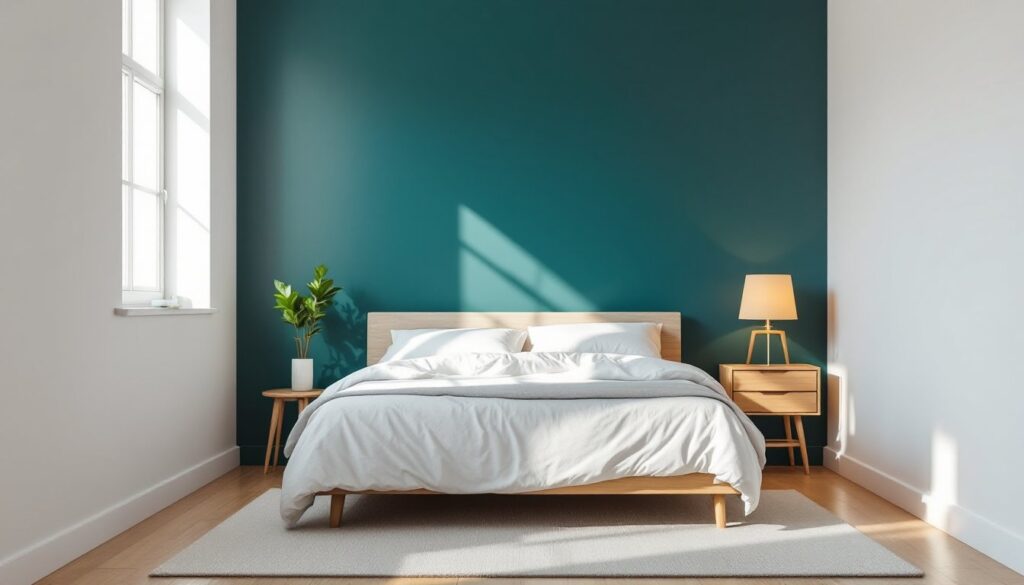
Blues, greens, and cool grays are sleep-friendly colors that work especially well in bedrooms. A deep teal or navy accent wall, for instance, can make a room feel like a cozy retreat. Studies consistently show that cool tones promote relaxation and better sleep quality.
When painting a cool accent wall in a small bedroom, choose a wall that gets indirect light during the day. A deep blue painted on the wall opposite your bed will frame the room beautifully without making it feel like you’re sleeping inside a cave. Soft sage green is another excellent choice, it’s calming without being clinical.
Pro tip: Test your paint color in the actual room at different times of day before committing. A paint chip on the wall for 24 hours reveals how the color shifts with morning and evening light. Many homeowners find that 37 stylish small bedroom design ideas include cool-toned accent walls paired with lighter walls on the remaining surfaces.
Warm Neutrals for Coziness and Light
Warm grays, soft taupes, and creamy off-whites can make small bedrooms feel larger while maintaining coziness. These colors work well if your room gets natural light but feels somewhat sterile or cold. A warm greige (that’s gray-beige hybrid) accent wall paired with crisp white on the other walls creates dimension without heaviness.
Warm neutrals are also forgiving, they work with nearly any furniture style and don’t date quickly. If you’re renting or planning to sell, warm neutral accent walls are safer than bold jewel tones. Apply two coats of quality interior paint (100% acrylic latex) in an eggshell or satin finish, these finishes resist moisture in a bedroom better than flat paint.
Textured and Patterned Accent Walls for Visual Interest
If paint alone feels too simple, textured and patterned finishes add tactile interest without cramping the space. Wallpaper, shiplap, and decorative paint techniques are all viable options for small bedrooms.
Removable peel-and-stick wallpaper has improved dramatically in recent years. High-quality versions mimic traditional paper without the mess and commitment. Subtle geometric patterns or botanical prints work well in small rooms, they add visual interest without overwhelming. Apply wallpaper to your chosen accent wall following manufacturer instructions: smooth the wall, apply adhesive evenly, and use a squeegee to remove bubbles from the center outward.
Shiplap, those horizontal wooden boards, creates farmhouse charm and is achievable for intermediate DIYers. Prefinished shiplap planks (typically 3–6 inches wide and 8–10 feet long) can be nailed directly over your existing drywall. Use a stud finder to locate studs, then secure planks with finish nails or brad nails into the studs. Budget roughly $1–3 per square foot for materials, plus painting or staining. Note that shiplap adds visual texture and can make a small room feel busier, so pair it with calm paint colors on surrounding walls.
Texture paint, a specialty finish that creates subtle depth, is another low-commitment option. Spray-on or rolled-on textured coatings range from light popcorn (less common now, harder to keep clean) to modern suede finishes. These cost slightly more than flat paint but transform the visual dimension of a wall without permanent installation.
Design inspiration from resources like Young House Love often features creative wallpaper and textured accent walls in before-and-after bedroom transformations.
Creative Non-Paint Accent Wall Solutions
Beyond paint and wallpaper, several materials can transform an accent wall: reclaimed wood, fabric, or even a gallery wall setup.
Reclaimed or salvaged wood planks create a rustic, warm focal point. Tongue-and-groove boards, shiplap, or even a random-width plank wall add character. Installation requires fastening planks to wall studs: use a nail gun or hand-nail into studs for security. Finish with stain or leave natural if the wood is attractive enough. This approach is pricier than paint but creates a true statement.
Fabric-wrapped accent walls are trending and surprisingly accessible. Stretch natural linen or canvas over a frame attached to the wall, creating a soft, textured look that deadens sound and feels luxe. Attach furring strips to studs, then secure fabric with staples and cover seams with trim. It’s reversible and won’t damage the wall long-term.
A gallery wall of framed art, photography, or mixed media serves as a non-permanent accent. This works beautifully in small bedrooms because it lets you curate personal meaning into the space. Hang frames at eye level (60 inches from floor to frame center is a good target), staggering sizes and orientations. Use appropriate hardware (picture hangers rated for your wall type and frame weight) and a level.
Interior design platforms like Home Bunch showcase creative accent walls using unexpected materials, from cork and brick veneer to fabric panels and geometric wood arrangements.
Strategic Placement: Which Wall Should Be Your Accent Wall
Choosing the right wall matters. In bedrooms, the most impactful placement is the wall directly behind or opposite your bed, this becomes your natural focal point. Painting the wall you see when you first wake up sets the tone for your entire room and is visually satisfying.
Avoid painting a wall with a door or large window: this splits the focus and wastes the visual impact. If your room’s entry door is on one wall and a window on another, the remaining two walls are your best candidates. Choose the wall that receives the least direct sunlight if you’re going dark, too much contrast between a dark wall and bright daylight can feel jarring.
In very small bedrooms, consider painting the wall at the foot of the bed rather than the headwall. This creates depth, making the room feel less boxy. Test your color and placement with painters’ tape: mask off a 2–3 foot square on your chosen wall and live with it for a few days.
Measurement matters. Before you buy paint, calculate the wall’s square footage: (height × width). One gallon of quality interior paint typically covers 350–400 square feet. For a standard 10×8-foot bedroom wall, you’ll need roughly one gallon (accounting for two coats). Always buy slightly extra, returns are common, and color matching later is frustrating. Small bedroom design strategies often pair accent walls with strategic furniture placement to maximize perceived space.