Table of Contents
ToggleYour living room walls are real estate. Whether they’re bare white drywall or dated and tired, they set the tone for the entire room, and they don’t need a contractor’s budget to shine. Wall decorating ideas for living rooms range from a fresh coat of paint to textured wallpaper, gallery displays, and smart storage solutions that work double duty as design. The best part? Most projects are DIY-friendly, take a weekend or less, and deliver immediate impact. This guide walks through seven affordable, achievable styles that’ll transform your living space without the designer price tag.
Key Takeaways
- Wall decorating ideas for living rooms range from budget-friendly paint and accent walls to gallery displays and floating shelves, with most projects costing under $50 and taking a weekend or less.
- A fresh coat of paint is the fastest and cheapest wall transformation, costing $25–$40 per gallon and delivering immediate visual impact when prep work is done properly.
- Gallery walls using odd numbers of frames (3, 5, or 7) with 2–3 inches of spacing between them create visual interest without a stiff, formal appearance.
- Floating shelves and mirrors amplify light, visually expand spaces, and serve dual purposes by combining storage, style, and function—but must be securely bolted into studs to prevent sagging.
- Peel-and-stick removable wallpaper and temporary wall decals offer low-commitment design solutions perfect for renters or anyone wanting to test bold patterns before making permanent changes.
- Textured finishes like grasscloth and strategic use of reflective surfaces add depth and warmth, making ordinary living rooms feel curated and intentionally designed without professional decorator costs.
Paint and Accent Walls
A fresh coat of paint is the fastest, cheapest wall transformation available. Quality interior latex paint typically runs $25–$40 per gallon and covers roughly 350–400 square feet per gallon depending on sheen and surface texture. For a 12×15-foot living room wall, you’re looking at a single gallon and an afternoon of work.
Accent walls remain popular because they anchor a room without overwhelming it. Choose the wall behind your seating or the one that catches morning light. Matte or eggshell finishes hide imperfections better than gloss, which works better for trim. Prep is everything: fill nail holes with spackle, sand smooth when dry, prime any patched areas, and wipe down with a damp cloth to remove dust before painting. A poor surface will show every brush stroke.
Two-tone or color-blocked walls are trending. Paint the lower two-thirds one color and the upper third lighter, or vice versa. Use painter’s tape and a level to keep the line sharp. Mantel Decoration Magic: Transform works beautifully when the wall color complements your focal point, creating a cohesive scheme that feels intentional rather than random.
Wall Art and Gallery Displays
Gallery walls are everywhere because they work. Mix frame sizes, styles, and even materials, black and natural wood together, for instance, to avoid a stiff, gallery-museum feel. Odd numbers work better than even (three, five, or seven pieces), and leaving 2–3 inches between frames creates breathing room.
Print your own art using free resources like Unsplash or design custom prints through budget-friendly online services. A 16×20-inch unframed print costs as little as $3–$8: pair it with a simple frame from a big-box store for under $20 total. Alternatively, abstract art, botanical prints, or black-and-white photography are timeless and won’t feel dated in two years.
Measure and mark your layout on kraft paper first, tape it to the wall, and mark nail holes through the paper. This eliminates guessing and extra holes. Use appropriate hardware: picture-hanging nails for frames under 10 pounds, and heavy-duty anchors or studs for anything heavier. Drywall anchors need a stud finder if you’re unsure where studs are located. Glass Coffee Table styling works best when wall art echoes colors or themes below to unify the room.
Wallpaper and Textured Finishes
Wallpaper has shed its stuffy reputation. Peel-and-stick removable wallpaper makes installation foolproof, no paste, no primer, no permanent commitment. Quality removable wallpaper runs $25–$50 per roll and covers roughly 28 square feet per roll. It’s ideal for renters or anyone cautious about commitment.
Traditional wallpaper requires proper prep: score the existing paper with a scoring tool, apply fabric softener and hot water to loosen it, and scrape carefully with a plastic putty knife to avoid gouging drywall. Patch any gouges, sand smooth, and prime before hanging new paper. This isn’t quick, but it’s doable.
Textured finishes like grasscloth or linen wallcovering add depth and warmth. Grasscloth is durable and forgiving of minor wall imperfections. Always use a primer recommended for your wallpaper type, some papers require special adhesives. When trimming edges, use a sharp utility knife and a metal straightedge, making one deliberate pass rather than multiple saw-like cuts. Professional installers finish 100–150 square feet per day: budget accordingly if hiring out.
Floating Shelves and Wall-Mounted Storage
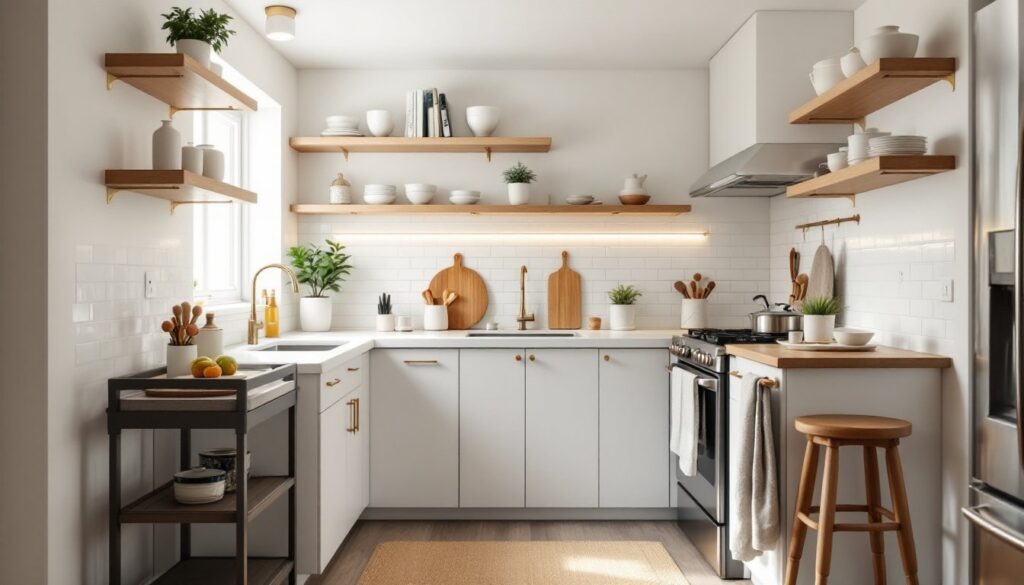
Floating shelves combine storage and style, displaying books, plants, and decor while keeping floor space open. They’re visual lightness with function. Install them at eye level or slightly above for a balanced look, typically 48–60 inches from the floor depending on seating height.
Find studs using a stud finder (essential: guessing wastes money and looks bad when shelves sag). Mark stud locations with a pencil. Floating shelves require a French cleat or concealed bracket bolted into studs, not just drywall anchors. A typical floating shelf holds 25–50 pounds depending on bracket quality and stud fastening: heavy books and decorative objects add up fast. Verify weight capacity before loading.
Style shelves by clustering objects in odd groups: a stack of books, a small plant, and a framed photo create visual interest better than spreading items evenly. Leave breathing room, clutter defeats the purpose. Den Decorating Ideas: Transform often incorporates shelves for a personalized, curated feel without buying expensive built-ins.
Mirrors and Reflective Surfaces
Mirrors amplify light and visually expand tight spaces, a simple trick with real impact. A large mirror opposite a window bounces natural light around the room. Choose frames that complement your style: ornate gold for glamorous, simple wood for farmhouse, or frameless for minimalist modern.
Mount mirrors securely using D-rings or French cleats bolted into studs. Large mirrors are heavy: a 36×48-inch mirror can weigh 30–50 pounds. Over-the-sofa placement is risky if something shifts: wall-mounting to the side of a window or on the fireplace wall is safer. Ensure the wall framing can handle the load, never rely on drywall anchors alone for large mirrors.
Mirror tiles offer a budget alternative, starting around $1–$3 per tile. Arrange them in a grid or geometric pattern for a statement wall. Use mirror adhesive rated for tile application: installation is straightforward. The effect is bold and contemporary. Research from interior design platforms shows home decorating, interior design resources emphasizing how reflective surfaces layer in visual depth more effectively than solid walls.
Wall Decals, Murals, and Temporary Solutions
Wall decals and murals offer personality without permanent change. Peel-and-stick vinyl decals cost $10–$50 and stick directly to clean, dry drywall. They’re perfect for renters or those experimenting with bold patterns.
Mural wallpapers, large photographic or artistic designs, create a focal point instantly. A single-wall mural of a forest, cityscape, or geometric pattern transforms the room’s entire energy. Installation is the same as standard wallpaper. A simpler alternative is a removable mural decal that handles curves and corners better than rigid wallpaper.
Temporary solutions like fabric wall hangings (tapestries held with Command hooks) or cork boards add texture and function. A large corkboard painted to match your walls becomes a bulletin board or gallery for rotating art. Washi tape, though typically used for trim, can outline frames or create geometric wall patterns if you’re adventurous. These options carry zero permanence, making them ideal for test-driving a design before committing. Luxury Decor Ideas: Transform often mentions temporary solutions as gateway strategies for hesitant DIYers.
Conclusion
Wall decorating doesn’t require a design degree or a massive budget. Paint, art, shelves, mirrors, and wallpaper each bring different strengths, use them individually or layer them. Start with what feels manageable: a new paint color or a gallery wall, then build from there. Most living rooms transform in a weekend, and the confidence you’ll gain from completing one project often leads to the next. Your walls are waiting.