Table of Contents
ToggleAs the years roll on, even the most luxurious bathroom can turn into a slippery slope—literally! Designing a bathroom for the elderly isn’t just about aesthetics; it’s about safety, comfort, and a touch of style. Picture this: a space where every trip to the loo feels like a spa retreat rather than an Olympic event.
Importance Of Accessible Bathrooms For Elderly
Accessible bathrooms play a crucial role in promoting independence for elderly individuals. Safety features help reduce the risk of falls, which are a leading cause of injury in the older population. Grab bars installed near toilets and showers provide extra support. Non-slip flooring materials enhance stability while navigating wet areas.
Comfort remains a priority in bathroom design for seniors. Height-adjustable toilets facilitate easier use, while walk-in tubs offer safe bathing options. Providing adequate lighting improves visibility, aiding in navigation for those with impaired eyesight.
Inclusion of user-friendly fixtures also adds value. Lever-style faucets are easier to operate than traditional handles. Pull-out showerheads allow for more accessible rinsing while seated, fostering a sense of autonomy during bathing routines.
Accessibility extends beyond physical features. Clear signage and well-organized storage reduce confusion and enhance usability. Accessible bathrooms also contribute to emotional well-being, encouraging aging in place without sacrificing comfort or style.
Economic factors play a role in the design of elderly bathrooms. Statistics indicate that more than 60% of seniors prefer to age in their own homes. Enhancing bathroom accessibility can increase property value and appeal to potential buyers who may seek modifications for older occupants.
Accessibility in bathrooms stands as an essential consideration. Focused designs provide practical solutions for everyday challenges faced by the elderly. Creating welcoming environments ensures that they can maintain dignity and enjoy their living spaces fully.
Key Features To Consider
Designing bathrooms for the elderly requires careful attention to several key features. Safety, convenience, and comfort form the foundation of an effective bathroom space.
Safety Features
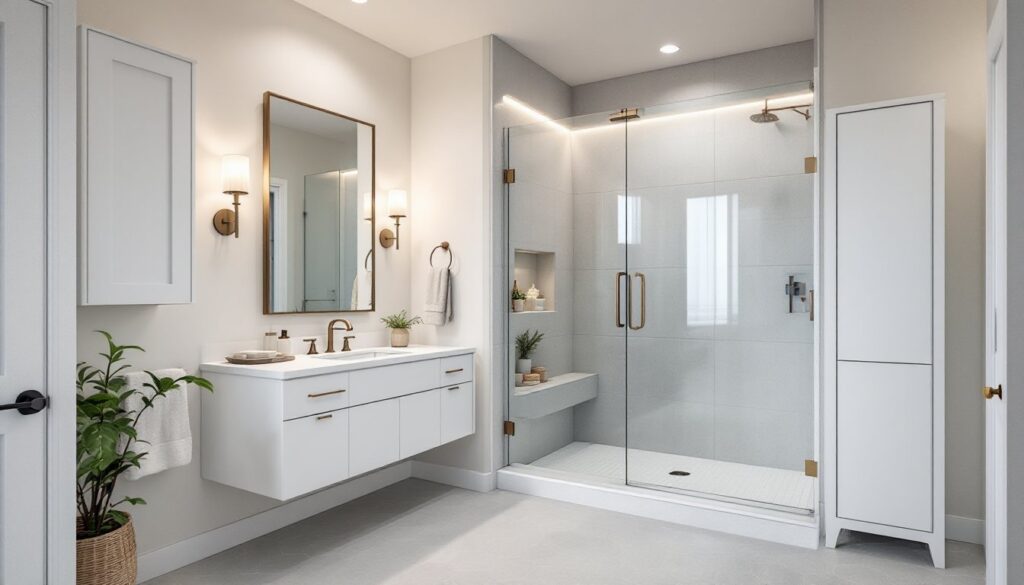
Non-slip flooring reduces fall risks, ensuring safety during daily routines. Grab bars installed near toilets and showers provide essential support. Adequate lighting illuminates all areas, minimizing hazards in low-light situations. Threshold-free entries enhance accessibility by eliminating barriers. Walk-in tubs offer safe bathing options, allowing easy entry and exit.
Design Considerations
Adjustable-height toilets support comfort for users with varying needs. Lever-style faucets improve usability, allowing easy operation even with limited hand strength. Spacious layouts facilitate wheelchair access, promoting independence. Ample storage solutions keep essentials organized, preventing clutter. Thoughtful color contrasts increase visibility, aiding navigation within the space.
Types Of Bathroom Modifications
Modifying bathrooms for the elderly significantly enhances safety and comfort. Specialized features address the unique needs this demographic faces.
Grab Bars And Handrails
Grab bars and handrails play crucial roles in promoting stability in the bathroom. Strategically placed near toilets and showers, they assist with maintaining balance. These fixtures come in various styles and sizes, ensuring compatibility with different interiors. Durable materials such as stainless steel provide lasting support, while textured surfaces enhance grip. Safety standards dictate proper installation, maximizing effectiveness. Color options can match decor, maintaining aesthetic appeal while prioritizing functionality. Moreover, these additions reduce anxiety around falls, fostering independence in daily routines.
Non-Slip Flooring
Non-slip flooring significantly minimizes the risk of slips and falls in bathrooms. Various materials, including vinyl, ceramic tiles, and rubber, offer practical choices with texture to enhance traction. Installing this type of flooring creates a safer environment, especially when wet. Options are available in numerous colors and patterns, allowing for personalization without sacrificing safety. Regular maintenance keeps surfaces clean and functional, further reducing hazards. Additionally, this flooring type often contributes to a more comfortable experience through softer textures, promoting a spa-like atmosphere. Ultimately, non-slip flooring aids elderly individuals by boosting confidence and encouraging autonomy in their personal space.
Budgeting For Bathroom Renovations
Planning a budget for bathroom renovations targeting elderly users requires careful consideration of necessary modifications and materials. Start by assessing the current layout and identifying essential upgrades, such as grab bars, non-slip flooring, and accessible fixtures.
Establishing a budget means allocating funds for both labor and materials. Costs vary depending on the complexity of the project and the quality of finishes chosen. Consider an average range of $5,000 to $15,000 for comprehensive renovations that prioritize safety and comfort.
Research various materials that promote safety without compromising style. Non-slip tiles, for example, provide durability and reduce the risk of falls. Adjustable-height toilets and walk-in tubs also contribute significantly to comfort and accessibility, enhancing the overall experience.
Seek quotes from several contractors to compare estimates and services. This allows identification of flexible pricing while ensuring quality work tailored to specific needs. Local building codes might impose additional requirements, which should be factored into the budget.
Be mindful of the potential return on investment. Accessibility improvements commonly increase property value, appealing to a broader market. Renovations that prioritize safety and comfort create a more enjoyable space while allowing elderly individuals to maintain independence.
Planning involves visualizing the finished product. Create design mock-ups or explore design software that can aid in visualizing upgrades. Keeping a detailed checklist ensures all critical elements are addressed without oversight.
Overall, budgeting for safe, comfortable, and stylish bathroom renovations is an investment in quality of life.
Creating a bathroom tailored for the elderly is more than a design choice; it’s a commitment to enhancing quality of life. By prioritizing safety and comfort alongside aesthetic appeal, these spaces can significantly improve daily routines. Thoughtful features like grab bars and non-slip flooring not only reduce risks but also foster a sense of independence.
Investing in accessible bathroom modifications is a proactive step towards ensuring that seniors can navigate their homes with confidence. This approach not only supports their well-being but can also add value to the property. Ultimately, a well-designed bathroom can transform an everyday necessity into a sanctuary of comfort and safety.